
What does a complete document look like?
Some organisations have a template for everything, plenty don't, and even good templates have gaps. We've been writing these documents since 2018, so we've built complete ones and we're giving them away.

The PolicySight blog
We build business software inside Microsoft 365. This is where we write down how it actually goes: the build stories, the SharePoint patterns that held up, the automation worth having, and the long job of turning Governance Hub into a product.
We build with AI every day and a person signs off everything that ships, so a fair amount of what follows is about that. Nothing here is theory. If it is written up, we have run it.
Some organisations have a template for everything, plenty don't, and even good templates have gaps. We've been writing these documents since 2018, so we've built complete ones and we're giving them away.

Yes, with what's already in Microsoft 365: SharePoint for papers, Lists for actions, Teams for meetings, Forms for declarations. Here's how to set it up, and where it stops working.

AI writes the code for all of our applications. I'm not a software engineer, I'm a product manager, so the enterprise-grade question follows me around. Auditors answered it decades ago: segregation of duties, four-eye checks, and trust the gates, not the writer.
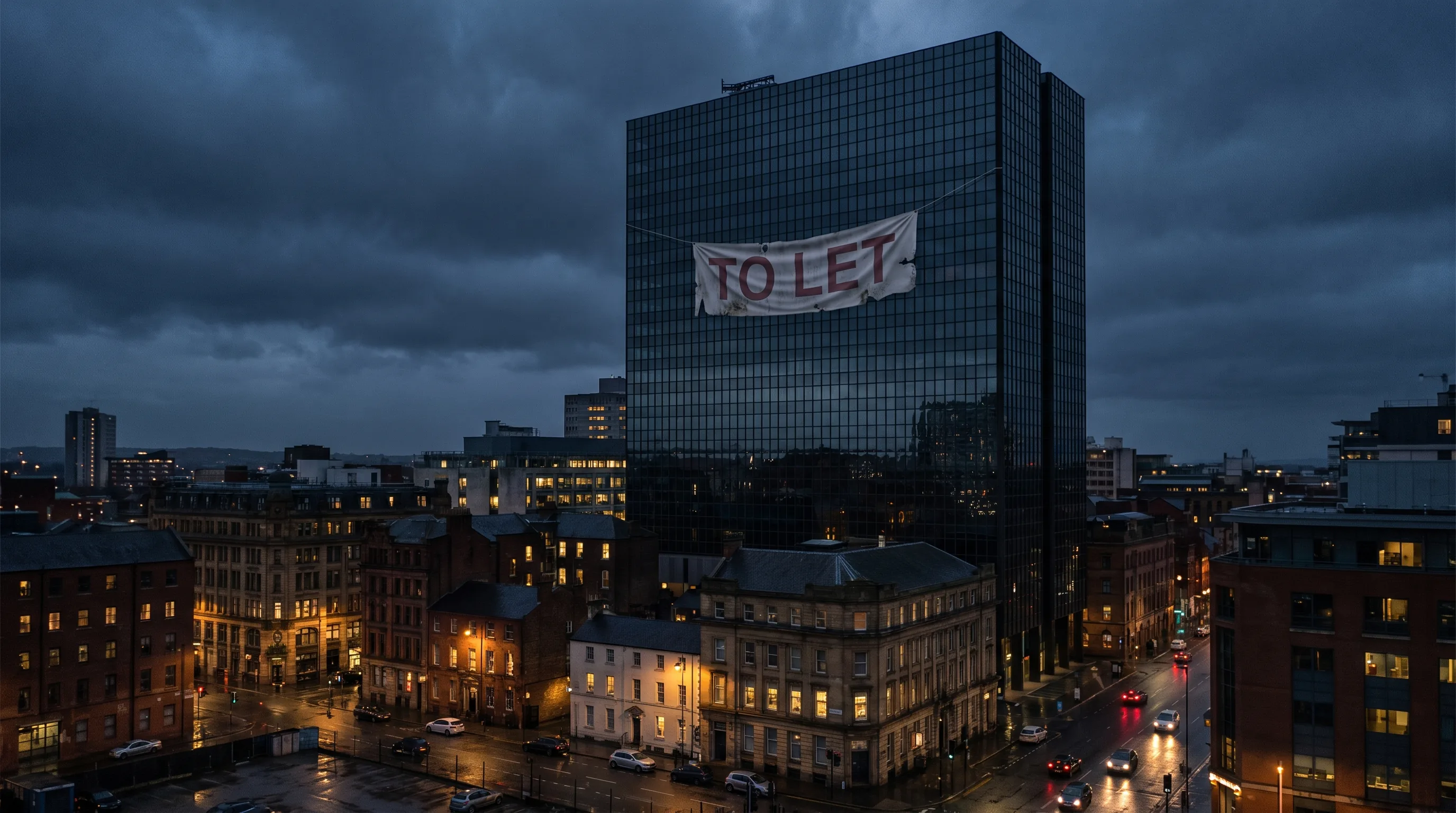
Halfway through rewriting our homepage I asked a daft question: could we ever build a Salesforce? Working out the honest answer turned into the best explanation of our business model I've found, so I wrote it down.

On 10 August the FCA published what it found in the governance records of 15 fast-growing firms. Its list of failures reads like the committee grind I spent years living with: attendance, quorum, conflicts, decisions and actions.

Every governance committee I served ran on Word, Outlook and one diligent person's memory. The origin story of Governance Hub starts with a head-count.